


The Condo Reality Check
Over the past five years, I've watched the dynamics of Ontario's real estate market shift dramatically—and nowhere more visibly than in the condo sector. Clients who once saw pre-construction condos as a reliable stepping stone are now reconsidering that path entirely. It's not pessimism; it's pragmatism.
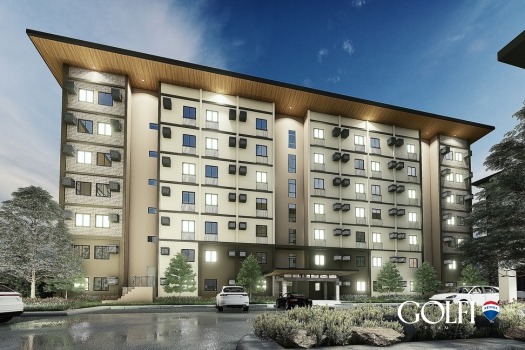
What changed? Several things converged at once. Large institutional investors began scooping up entire building portfolios at discounts, which pressured both sale prices and rental rates across entire complexes. First-time buyers who locked in pre-construction deposits five or six years ago are now closing on units in a completely different market—often facing negative cash flow from day one. The math that looked promising in 2019 doesn't hold up in 2024.
The Pre-Construction Trap
I've had conversations with frustrated buyers in downtown Hamilton and Oakville who thought they were making a savvy move. They put down deposits believing that by the time their unit closed, appreciation would cover carrying costs and deliver equity. Instead, they're discovering that rental rates in their buildings haven't kept pace with mortgage rates, property taxes, and maintenance fees. The gap between what they owe and what the market will bear is real and painful.
The traditional condo-to-house-to-bigger-house progression that worked for millennials' parents? It's broken. Most young people can't afford to trade up multiple times anymore, so locking capital into a depreciating urban unit no longer makes sense as a wealth-building strategy.
Why Cottages and Recreational Properties Are Winning
Here's what I'm seeing among younger, smarter investors across my service areas: they're looking beyond the GTA and even beyond the immediate towns of Hamilton, Burlington, and St. Catharines. They're exploring recreational properties—cottages, cabins, and hobby farms in areas like Muskoka, the Bruce Peninsula, and the Kawartha region.
Why? Several reasons:
- Lower Entry Price: You can buy a modest cottage for less than a two-bedroom condo in Oakville or Milton, with no strata fees and no institutional investor neighbours dragging down your asset value.
- Dual-Use Wealth Building: A cottage isn't just an investment—it's a personal retreat. You're not purely dependent on rental income to justify ownership. You actually use and enjoy the property.
- No Strata Chaos: Unlike condos (where special assessments and condo fee hikes can blindside you), cottages give you full control. Your property taxes and maintenance costs are yours alone to manage.
- Appreciation Potential: Rural and semi-rural Ontario recreational properties have shown steadier, more predictable appreciation than urban condos over the past decade. Supply is constrained; demand from remote workers and retirees is growing.
- Rental Income Optionality: If you want to generate income, short-term vacation rentals through platforms like Airbnb often yield better returns than traditional long-term condo rentals—without the tenant turnover headaches.
The Timing and Tax Advantages
Ontario's land transfer tax doesn't discriminate between urban and rural properties, so you'll owe tax on a cottage purchase just as you would on a condo. However, here's the strategic difference: a cottage doesn't come with the recurring costs that erode cash flow. You control the timeline and intensity of renovations. And if you ever need to rent it short-term, you have flexibility.
First-time buyers who are entering the market in their late 30s or early 40s (which is increasingly common) are also thinking longer-term. They're not looking to flip; they want a property they'll hold and enjoy for 20+ years. A cottage in Niagara wine country or near Dundas Peak checks that box far better than a downtown condo in a building managed by a private equity fund.
Is It Right for You?
Recreational property investing isn't for everyone. You need to be comfortable with seasonal use, potential tenant management, and the realities of rural property ownership. You also need to do your homework on location, resale demand, and local market conditions.
But if you're young, ambitious, and tired of hearing that condos are the only entry point into Ontario real estate, it's worth a serious conversation. The path to ownership and wealth building is wider than the headlines suggest.
If you're considering a pivot—whether it's exploring cottages, recreational land, or reconsidering your condo strategy—let's talk. I work with buyers and investors across Hamilton, Halton, Niagara, and Brantford, and I can help you think strategically about which property type actually aligns with your financial goals.
Reach out to me at (647) 625-1415 or jennifermelo@golfi.ca. Let's find the right investment for your future.