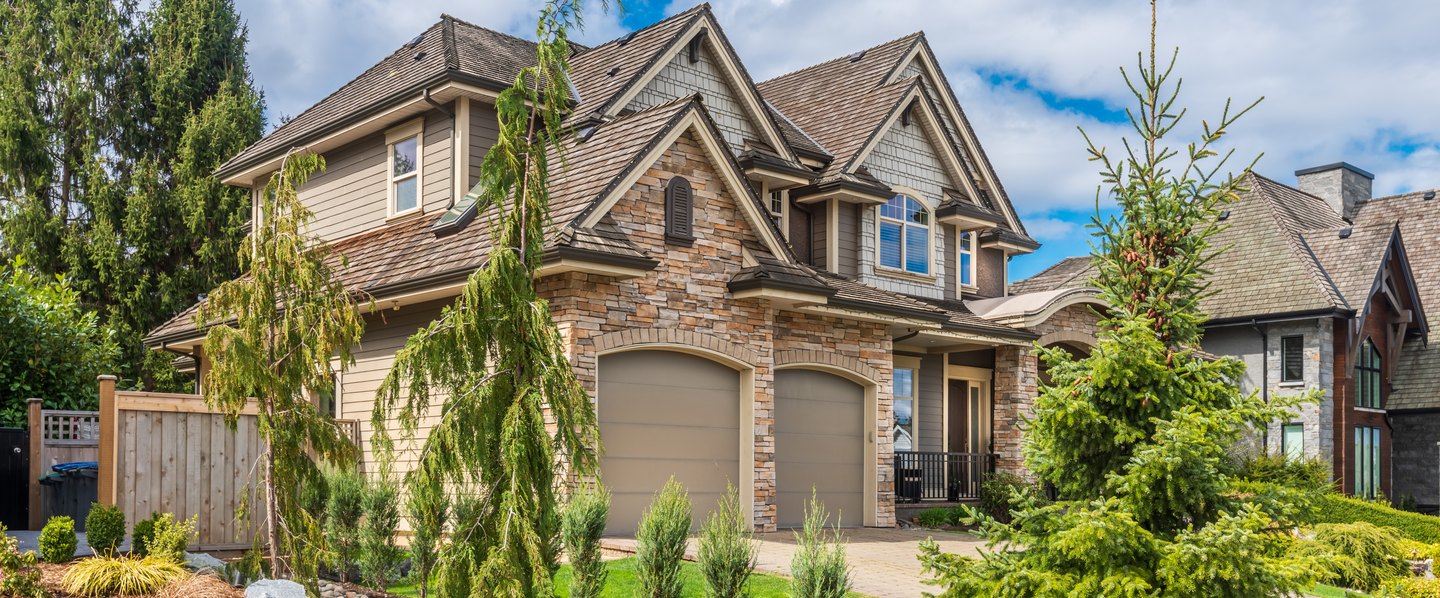
Everything you need to buy with confidence across Hamilton, Halton, Niagara & Brantford — from your first pre-approval to the day the keys are yours.

Hi, I'm Jennifer Melo, a Certified Negotiation Expert and REALTOR® with RE/MAX Escarpment Realty Inc., Brokerage. Whether you're a first-time buyer in Stoney Creek, upsizing in Waterdown, or moving to Burlington, Oakville or Niagara-on-the-Lake, my job is to make the whole journey clear, calm and genuinely enjoyable.
I put this guide together because so much of what you'll find online is written for the U.S. market — none of it reflects how buying actually works here in Ontario. Below, you'll find the real steps, the real numbers, and the real Ontario rules, explained in plain language. When you're ready, I'll walk every step of it beside you.
Every purchase in Ontario follows the same six milestones. Here's what each one looks like — and where I step in to protect you.
We start with a mortgage pre-approval so you know your true budget under the stress test, and we sign a Buyer Representation Agreement (BRA) — required in Ontario under TRESA before we tour or make offers.
Together we map out must-haves, neighbourhoods and budget across Hamilton, Halton, Niagara and Brantford. I set you up with live MLS® alerts so you see the right homes first.
We visit shortlisted properties together. I point out red flags, resale considerations and true value so you can compare homes with a clear, experienced eye — never on emotion alone.
When you find the one, I prepare your Agreement of Purchase and Sale (APS) on OREA forms, advise on price and terms, and negotiate hard on your behalf — that's where my Certified Negotiation Expert training earns its keep.
With an accepted offer, we work through your conditions — financing, home inspection, and (for condos) a status certificate review by your lawyer — before the deal becomes firm.
Your real estate lawyer handles the title search, land transfer tax and registration. Typically 30–60 days after acceptance, the deal closes and the keys are finally yours. Welcome home.
A listing agent works for the seller. As your buyer's agent, I work only for you — and in most Ontario deals my commission is paid by the seller's brokerage, so my expertise usually costs you nothing directly.
From Ancaster to Welland, I know what homes are truly worth, how fast they move and where the value is — so you never overpay or miss a hidden gem.
The APS, schedules, conditions and deadlines are all detailed and legally binding. I prepare and review everything so nothing slips through the cracks.
I connect you with trusted mortgage brokers, home inspectors and real estate lawyers, and keep everyone moving so your closing stays on track.
Foundation issues, questionable renovations, a weak condo reserve fund — I know what to look for and when to walk away, protecting you from costly surprises.
As a Certified Negotiation Expert, I build offer strategies that get you the home on the best possible terms — especially in multiple-offer situations.
Under TRESA, I'm your dedicated advocate. Ontario's rules restrict "multiple representation," and I'll always keep your interests front and centre.
Canadian mortgages work differently from what you'll read on American sites. Here's what actually matters when you buy in Southern Ontario — pre-approval, your minimum down payment, mortgage insurance, the stress test, first-time buyer programs and closing costs.

In Canada your minimum down payment is tiered to the purchase price:
| Purchase price | Minimum down |
|---|---|
| First $500,000 | 5% |
| $500,000 – $1,500,000 (on the portion above $500K) | 10% |
| Over $1,500,000 | 20% |
Example: on a $700,000 home, that's 5% of the first $500K ($25,000) plus 10% of the next $200K ($20,000) = $45,000.
Fresh paint and nice furniture are easy to love — but the real value is in the bones. Here's my walk-through checklist so you can tour like a pro.
In Ontario an offer is a legally binding Agreement of Purchase and Sale (APS), prepared on OREA forms. A strong, well-structured offer wins homes — and I make sure yours is both competitive and protected.
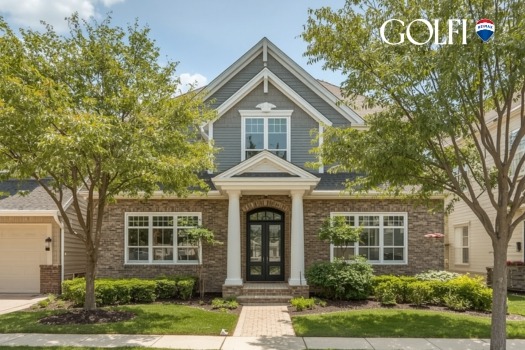
Conditions (sometimes called "conditions precedent") give you a set number of days after an accepted offer to confirm everything checks out. If a condition isn't satisfied, you can walk away and your deposit is returned.
Time for your lender to give final mortgage approval on this specific property — even with a pre-approval in hand. Protects you if financing falls through.
A licensed inspector assesses the home's condition so you can proceed, renegotiate, or walk away based on what's found.
For condos and townhomes in a condo corporation, your lawyer reviews the building's finances, reserve fund and rules before you commit.
If you need to sell your current home first, this condition ties the purchase to that sale — useful when you're not buying and selling simultaneously.

Two different checks, two different jobs — and both give you peace of mind before your purchase becomes firm.
A qualified inspector examines the structure, roof, electrical, plumbing, heating and cooling, and more, then gives you a written report. It's for you — to understand the home's true condition, budget for repairs, or renegotiate. I'll connect you with inspectors I trust across our region and attend with you.
An appraisal is ordered by your lender to confirm the home is worth what you're paying, since your mortgage is based on that value. If an appraisal comes in low, we may need to adjust financing or renegotiate — another reason a realistic offer price matters.
The minimum is 5% on the first $500,000 of the price, 10% on the portion from $500,000 to $1,500,000, and 20% on any home over $1,500,000. Under 20% down, you'll need mortgage default insurance through CMHC, Sagen or Canada Guaranty. Twenty percent or more is a conventional mortgage with no insurance premium.
Beyond your down payment, budget roughly 1.5%–4% of the price for Ontario land transfer tax, your real estate lawyer's fees, title insurance, a home inspection, and adjustments for prepaid taxes or utilities. First-time buyers can claim the Ontario Land Transfer Tax refund of up to $4,000. There's no municipal land transfer tax in our area — only Toronto charges that second tax.
Yes. Under Ontario's TRESA (2023), we sign a written Buyer Representation Agreement (BRA) before touring or writing offers. It sets out how I represent you, the areas and price range we're searching, and how my compensation works — most often paid by the seller's brokerage. It makes me your dedicated advocate.
Lenders must qualify you at the higher of 5.25% or your contract rate plus 2%, even if your actual rate is lower. It confirms you could still afford payments if rates rise. Getting pre-approved early shows exactly what you qualify for under the stress test before we shop.
Common conditions in an Agreement of Purchase and Sale include a financing condition, a home inspection condition, and — for condos — a status certificate review by your lawyer. You might also add a sale-of-buyer's-property condition. Conditions give you time to confirm everything checks out; if not, you can walk away and get your deposit back. I'll always guide you on which to keep, especially in competitive situations.
When you buy a condo or townhome in a condo corporation, the status certificate is a package of documents on the building's finances, reserve fund, rules, insurance and any special assessments or lawsuits. Your lawyer reviews it during your status certificate condition to confirm the corporation is healthy before you commit — an essential safeguard for condo and loft buyers.
A typical closing runs about 30–60 days from an accepted offer, though we can negotiate a timeline that suits both sides. During that window you finalize financing, satisfy your conditions, and your real estate lawyer handles the title search, land transfer tax and registration. On closing day, the keys are yours.
In most Ontario transactions the buyer's agent commission is paid by the seller's brokerage out of the sale proceeds, so my guidance usually costs you nothing directly. Commission is always negotiable and is spelled out clearly in our Buyer Representation Agreement before we begin — no surprises, ever.
Try our mortgage calculator to estimate monthly payments with Canadian semi-annual compounding — then let's talk numbers together.
Whether you're just getting pre-approved or ready to write an offer, I'd love to guide you home. Reach out for a friendly, no-pressure conversation — I'm here to help you buy with confidence.


©Copyright 2026 Golfi Real Estate | RE/MAX Escarpment Realty Inc., Brokerage. All Rights Reserved.